Wallet Architectures Enable Smooth Shifts from Slot Bonuses to Blackjack Strategies
Written by Finley Roth · Nov 18, 2026
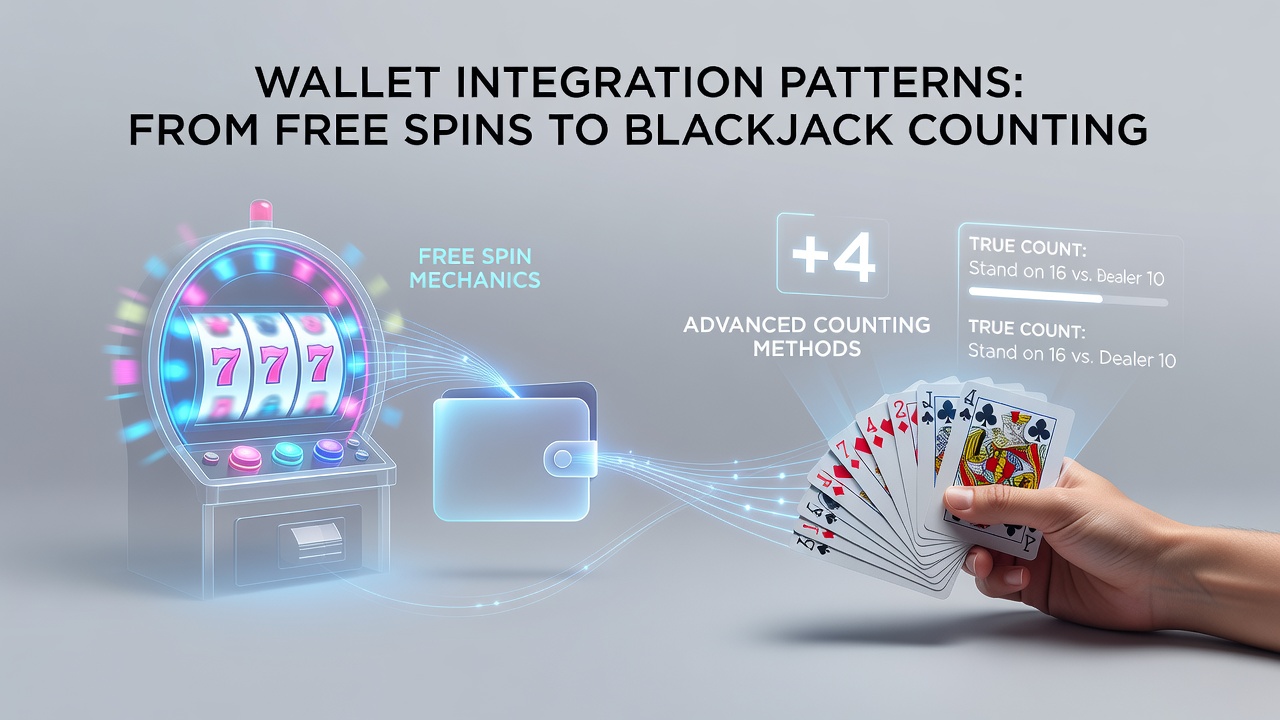
Wallet Architectures Enable Smooth Shifts from Slot Bonuses to Blackjack Strategies
Digital wallet systems in casino environments connect free spin mechanics directly to advanced blackjack counting methods through layered integration patterns that handle deposits, bonuses, and game state tracking in unified ledgers, and these patterns rely on API endpoints that synchronize player balances across slot and table game modules while maintaining compliance with regional gaming standards. Observers note that such architectures reduce friction during player progression by allowing instant fund movement from bonus-activated slots to strategy-intensive blackjack sessions, whereas traditional separate wallet silos often create delays that interrupt momentum.
Core Integration Patterns in Modern Platforms
Wallet designs incorporate modular APIs that link free spin rewards to blackjack tables by converting bonus credits into playable balances automatically, and data shows these systems use real-time reconciliation engines to track wager contributions from both slot reels and card tables simultaneously. Researchers at institutions focused on gaming technology have documented how multi-tiered ledgers separate promotional funds from cash deposits, yet allow fluid transfers once players meet specific playthrough thresholds that signal readiness for counting techniques. In November 2026 several platforms rolled out enhanced reconciliation protocols that sync wallet states with live dealer feeds, enabling players to shift strategies without logging out or reloading balances manually.
Free Spin Mechanics and Initial Funding Flows
Free spin bonuses initiate through wallet hooks that credit player accounts instantly upon deposit confirmation, and these hooks feed into broader loyalty frameworks that monitor spin outcomes to determine eligibility for higher-stakes table access. Experts have observed that integration patterns often embed conditional triggers, such as minimum spin counts or win multipliers, which then unlock blackjack table permissions within the same wallet session. According to reports from the Nevada Gaming Control Board, platforms employing unified wallet layers report higher retention rates during these early phases because players experience fewer interruptions when moving from reel-based bonuses to card-based play.
One study revealed that seamless funding flows rely on encrypted token exchanges between the wallet backend and game servers, while maintaining audit trails required by regulatory bodies across multiple jurisdictions. Turns out these patterns also support progressive jackpots that span slot and table environments, creating shared prize pools that encourage continued engagement beyond initial free spins.
Transition Mechanisms Toward Blackjack Counting
Advanced blackjack counting methods benefit from wallet integrations that embed session analytics directly into the payment layer, allowing real-time adjustments to bet sizing based on tracked card counts and remaining balances. Platforms achieve this by feeding game telemetry into wallet algorithms that flag when a player has accumulated sufficient experience from free spin sessions to handle variable table limits. Data indicates that such systems often include tutorial overlays funded through the same wallet, delivering micro-bonuses tied to counting practice modules without requiring separate account navigation.
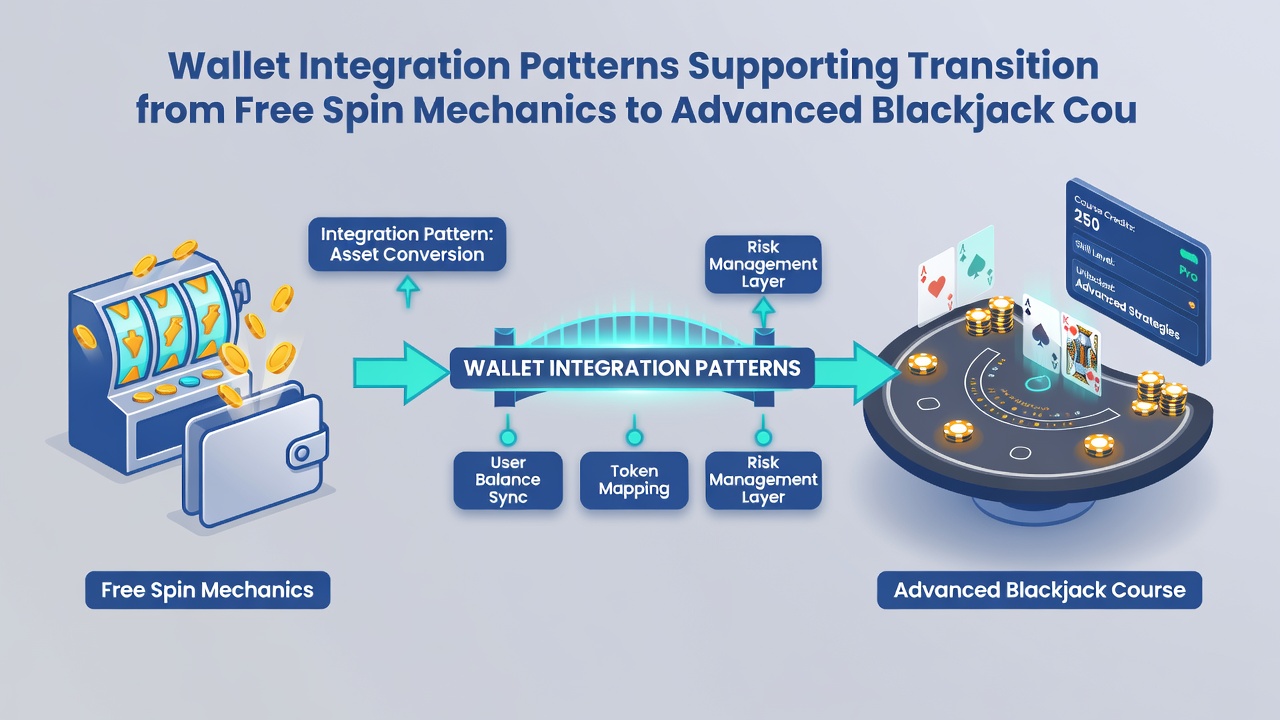
What's interesting is how these integrations handle risk parameters by adjusting withdrawal thresholds once players demonstrate consistent counting proficiency, and figures from industry research groups highlight reduced chargeback incidents in environments where wallet systems cross-reference game history with payment activity. Those who've studied this know that API-driven pattern recognition helps platforms identify transitions early, routing promotional offers toward blackjack variants that reward strategic play rather than pure chance mechanics.
Security and Compliance Layers
Security protocols within these wallet patterns encrypt both bonus allocations and counting session data using the same key management systems, while regulatory frameworks in regions such as the United States and Australia require independent audits of these unified ledgers. Industry organizations like the American Gaming Association have published findings on how integrated wallets streamline KYC processes during the shift from casual slot play to analytical table strategies, reducing duplicate verification steps. Yet the architecture demands constant synchronization to prevent discrepancies that could arise when free spin winnings convert into table game stakes under live conditions.
Take one case where experts found wallet systems employing smart contract elements to automate compliance checks during transitions, ensuring that counting method usage aligns with responsible gaming limits embedded in the payment layer. Research indicates these approaches maintain player anonymity where permitted while logging necessary metrics for oversight bodies.
Conclusion
Wallet integration patterns continue to evolve by connecting free spin mechanics with advanced blackjack counting through unified systems that prioritize seamless balance movement, real-time analytics, and regulatory alignment. Evidence suggests ongoing refinements in API connectivity and session tracking will further support these transitions across diverse gaming platforms, and observers note the geographic spread of such technologies from North American markets to European and Asia-Pacific operators reflects broader industry standardization efforts.