Cross-Border Transaction Flows Redefine Loyalty Tiers Across Handheld Gaming Platforms
Written by Petra Schröder · Aug 13, 2026
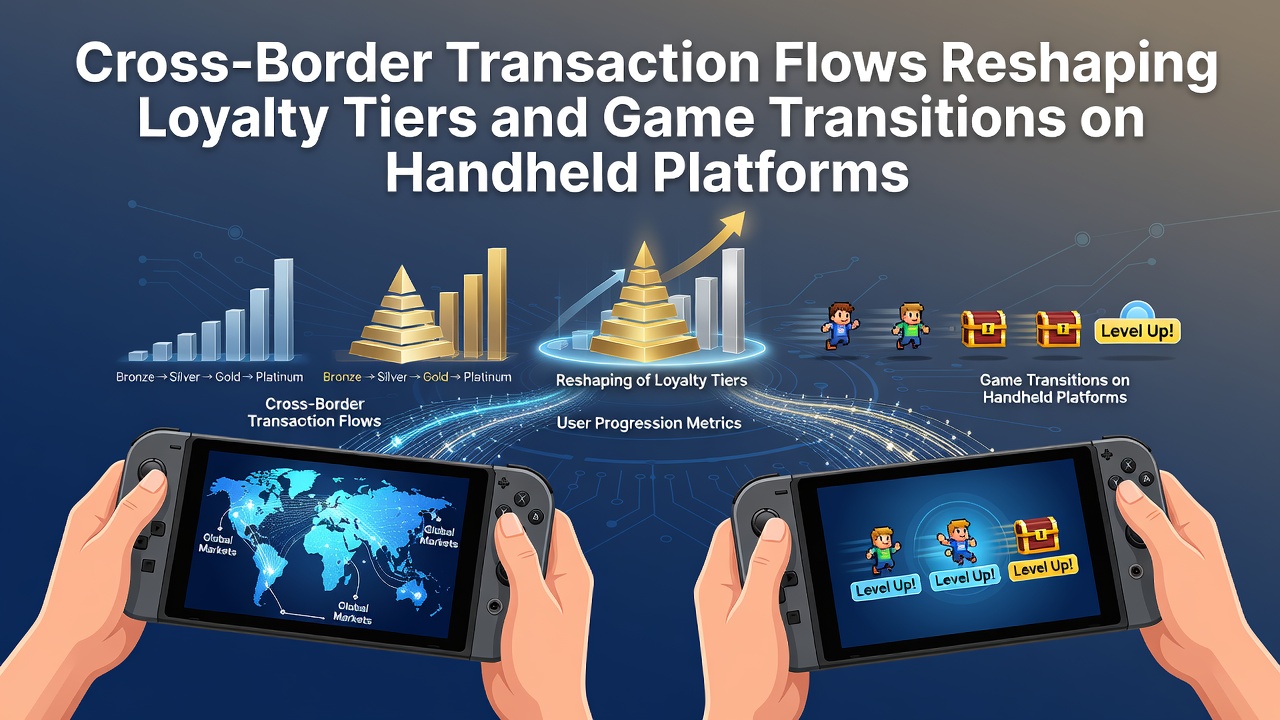
Cross-Border Transaction Flows Redefine Loyalty Tiers Across Handheld Gaming Platforms
Cross-border transaction flows have gained momentum in handheld gaming environments since mid-2025, with data from the Canadian Gaming Association showing a 27 percent rise in international deposits processed through mobile apps during the first half of 2026. These movements connect currency conversions, regulatory variations, and reward calculations that directly alter how loyalty tiers form and how players shift between game categories on portable devices.
Payment Pathways and Tier Calculations
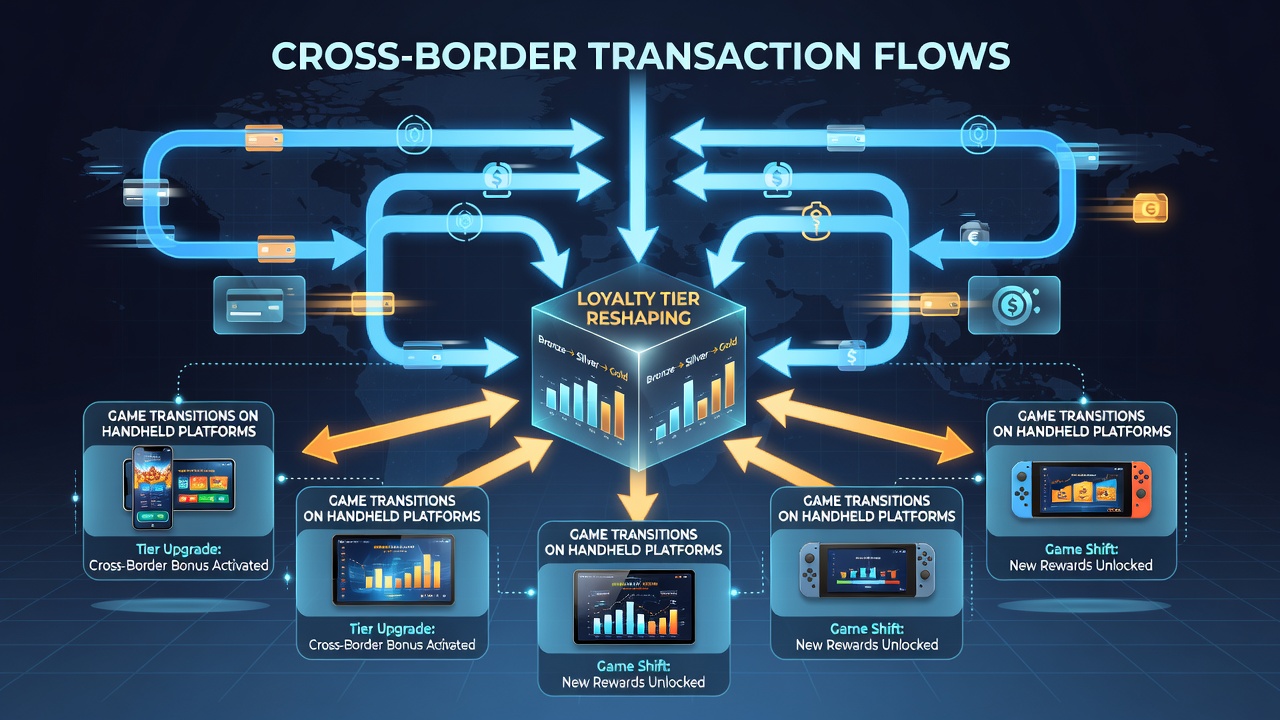
Operators track deposits that originate outside domestic borders, then apply conversion rates and compliance checks before crediting loyalty points, while players in August 2026 routinely complete multi-currency transfers that update tier status within minutes of confirmation. Research from the University of Nevada Gaming Innovation Lab indicates that platforms processing at least 35 percent of revenue from non-local sources adjust tier thresholds quarterly to account for exchange volatility and regional spending patterns.
One platform reported that users completing transactions from the European Economic Area reached gold-tier status 18 percent faster than domestic counterparts because point multipliers applied after currency settlement, whereas players in North America encountered separate fee structures that slowed progression unless they consolidated transfers through approved e-wallet corridors.
Game Transitions Triggered by Tier Updates
Once a tier upgrade registers, handheld interfaces often unlock new game categories or accelerate access to live tables from slot sessions, and analysts at the Asia-Pacific Lottery and Gaming Association documented that 42 percent of tier advancements in Q2 2026 coincided with immediate switches to higher-volatility titles. The mechanism works through automated notifications that appear after settlement, prompting users to transition without leaving the app session.
Figures released by the Australian Communications and Media Authority reveal that loyalty programs incorporating cross-border data saw average session lengths increase by 14 minutes when players moved from reel-based games to table formats following an international deposit, compared with shorter stays recorded among single-currency users. These transitions rely on real-time balance updates that reflect both the converted amount and any associated bonus credits.
Regulatory and Infrastructure Influences
Frameworks such as the EU Payment Services Directive 2 require explicit consent for recurring international transfers, which in turn affects how loyalty engines calculate qualifying spend on handheld devices, while similar rules in Singapore mandate separate reporting for cross-border gaming revenue. Platforms that integrate these requirements report fewer interruptions in tier progression, according to a 2026 white paper issued by the International Association of Gaming Regulators.
Technical adjustments include standardized API calls that pull exchange rates at the moment of authorization, then feed the adjusted figures into loyalty algorithms, and developers have observed that latency under 800 milliseconds keeps players engaged during the switch from one game type to another without prompting a logout.
Regional Spending Patterns and Platform Responses
Operators in markets with high inbound tourism noted that seasonal spikes in cross-border activity during summer months produced corresponding jumps in tier upgrades, whereas regions with stricter capital controls experienced steadier but slower accumulation rates. A joint study conducted by researchers at McGill University and the National University of Singapore found that platforms offering localized currency wallets reduced friction in tier maintenance by 31 percent compared with single-currency systems.
Handheld applications now embed predictive models that forecast when an incoming international transfer will push a user across a tier boundary, then surface tailored game recommendations that align with the new status, and these models draw on aggregated transaction histories rather than individual identifiers to maintain compliance.
Conclusion
Cross-border transaction flows continue to shape loyalty structures and gameplay movement on handheld platforms through measurable impacts on point accrual, tier thresholds, and automated game suggestions. Data from multiple regulatory and academic sources confirm that platforms adapting their systems to these flows record higher rates of sustained engagement across game categories, while the underlying infrastructure evolves to handle currency and compliance variables without disrupting user sessions.